August 10, 2026
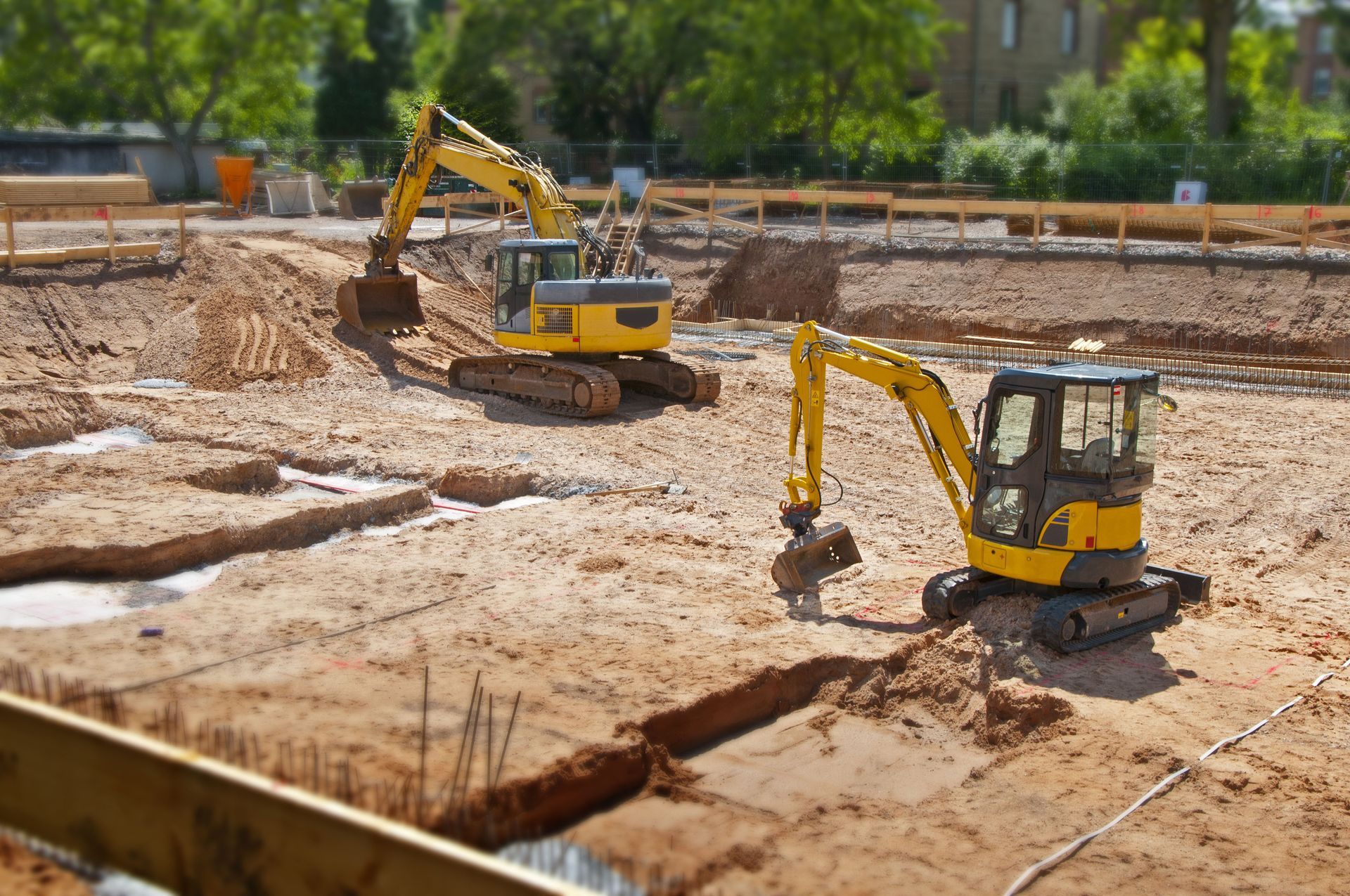
Before any major construction enterprise breaks ground, proper ground clearing, grading, and soil stabilization create the essential foundation for structural success. Commercial site prep represents the critical initial phase that dictates how effectively a building project will proceed from early earthmoving to final vertical development. Skimping on preliminary groundwork or rushing through initial surveys can compromise building integrity, leading to severe structural failure, drainage complications, and ongoing regulatory penalties. Investing time, specialized equipment, and technical expertise into thorough ground preparation ensures that the underlying soil can safely support massive loads and withstand environmental stressors over many years. By addressing underlying geological features and surface conditions early, developers create a safe, stable environment where heavy machinery can operate efficiently, and construction crews can build with confidence.
Establishing Structural Integrity and Foundation Stability
Every commercial structure depends entirely on the strength and stability of the soil beneath its foundation. Through comprehensive earthmoving and ground compaction, commercial site prep ensures that deep soil layers possess the load-bearing capacity necessary to support sprawling complexes, multi-story buildings, or heavy industrial machinery. Engineering teams analyze soil composition, density, and moisture retention levels to determine necessary excavation depth and soil stabilization protocols. Proper compaction eliminates air pockets and loose sediment, preventing localized settling that could otherwise crack concrete slabs, compromise structural framing, and weaken load-bearing columns over time.
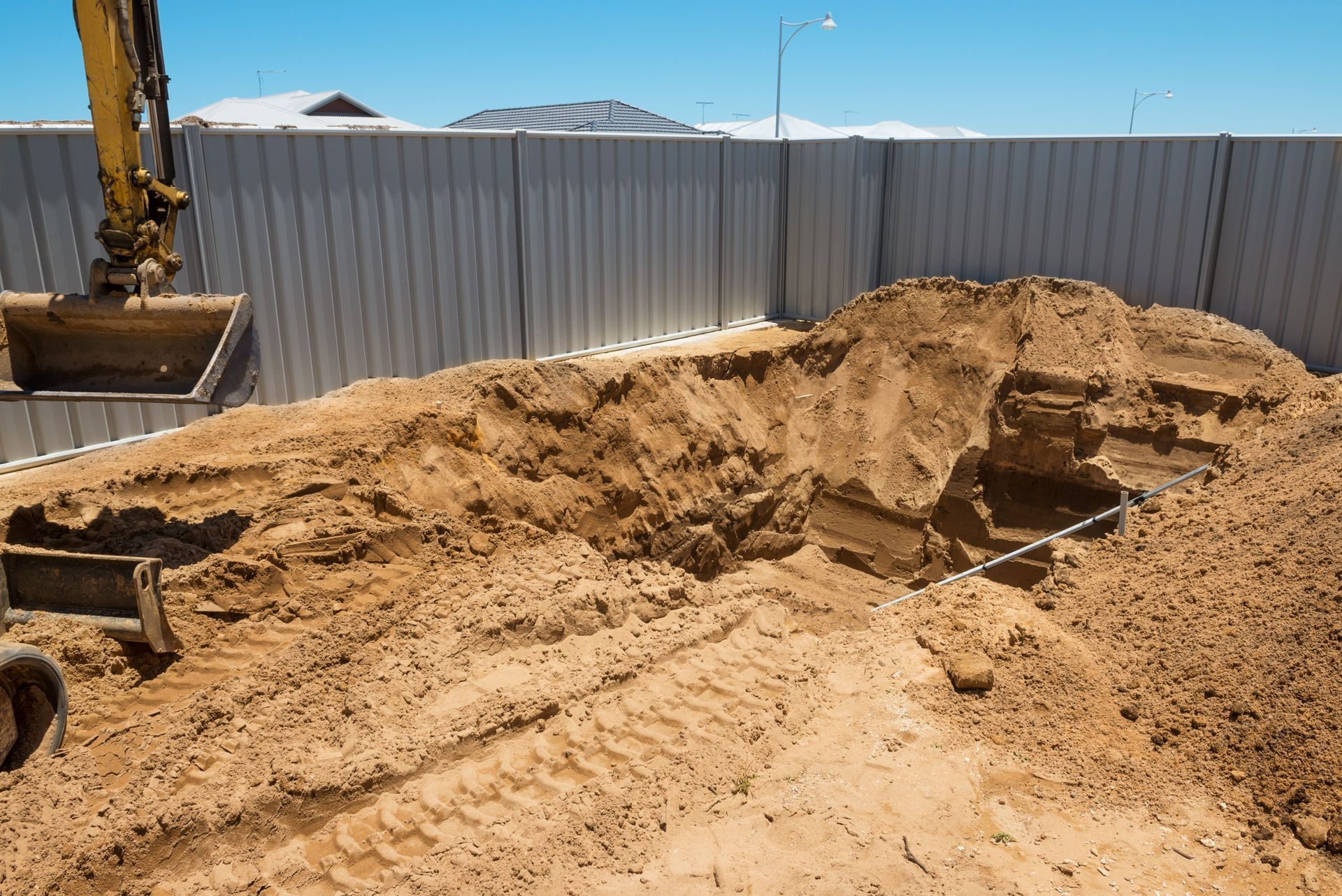
Unstable ground conditions often require extensive soil remediation, structural fill replacement, or soil stabilization treatments prior to foundation pouring. Skipping these essential steps creates severe risks, as shifting earth can cause uneven settling, structural tilting, and catastrophic foundation failure. Thorough ground preparation identifies subterranean weaknesses, high groundwater tables, and pockets of organic material that could decompose and leave hollow voids underground. Addressing these underground variables before laying concrete safeguards the structural integrity of the entire building, providing a reliable surface that supports heavy architectural demands without shifting or sinking.
Managing Water Flow and Prevailing Drainage Risks
Water management is a central focus during early land modification, as improper drainage can destroy foundations, erode soil, and flood commercial facilities. Professional contractors use precise grading and land sloping techniques during commercial site prep to direct surface runoff away from future building footprints, parking structures, and adjacent properties. Installing retention ponds, culverts, subsurface drainage pipes, and erosion control barriers keeps rainwater from accumulating around structural footings. Proper water redirection protects underground utilities and prevents water infiltration that could damage lower building levels or undermine surrounding concrete pavement.
In addition to surface runoff control, subsurface water dynamics must be thoroughly evaluated to maintain ground stability over time. High water tables and poor soil permeability can lead to soil saturation, frost heaving, and severe erosion beneath parking lots and foundation pads. Land clearing crews establish specialized drainage systems and porous fill layers that encourage proper water movement without washing away supportive soil structures. Proper water management practices established during early ground preparation prevent costly moisture intrusion issues and protect the long-term structural health of the entire commercial installation.
Preventing Unexpected Delays and Project Cost Overruns
Time management and budget control are major priorities for commercial developers, and thorough groundwork helps maintain both control measures throughout construction. Unexpected underground obstacles, such as buried debris, underground utilities, or stubborn rock formations, can halt operations and trigger severe budget inflation. Utilizing professional commercial site prep services allows contractors to identify and clear these subsurface impediments before vertical construction begins. Early obstacle removal keeps heavy machinery moving on schedule and prevents costly crew downtime caused by sudden site discovery issues.
The overall timeline for land clearing and earthmoving depends heavily on site conditions, geological characteristics, and project scale. According to HomeGuide, excavation takes 1 to 3 days for small projects and up to 3+ weeks for larger projects or areas with rocky soil, a rock shelf, or large boulders that must be removed. Factoring these realistic timelines into initial project planning prevents scheduling bottlenecks and allows subsequent trade crews to transition onto the site smoothly. Thorough preliminary earthwork eliminates unpleasant structural surprises, ensuring that project milestones remain predictable and financially manageable.
Navigating Complex Environmental and Regulatory Standards
Commercial construction projects must satisfy strict municipal, state, and federal environmental regulations before vertical development can move forward legally. Engaging expert teams for commercial site prep ensures that all land clearing, grading, and excavation activities conform to local zoning mandates and environmental protection statutes. Professionals establish sediment control fences, tree preservation zones, and dust suppression measures to prevent environmental degradation during active heavy equipment operation. Adhering to regulatory guidelines prevents costly municipal shutdown orders, environmental fines, and community disputes that could derail development plans.
Proper land management also involves careful handling of contaminated soil, buried waste, and protected natural habitats. Site clearing specialists conduct environmental assessments, secure required permits, and execute proper hazardous material removal processes when necessary. Following established environmental standards demonstrates responsible community stewardship while protecting developers from potential legal liability. Establishing regulatory compliance during early ground transformation streamlines future municipal inspections and ensures that the finished commercial facility meets all legally mandated environmental standards.
Optimizing Equipment Operation and Onsite Safety Standards
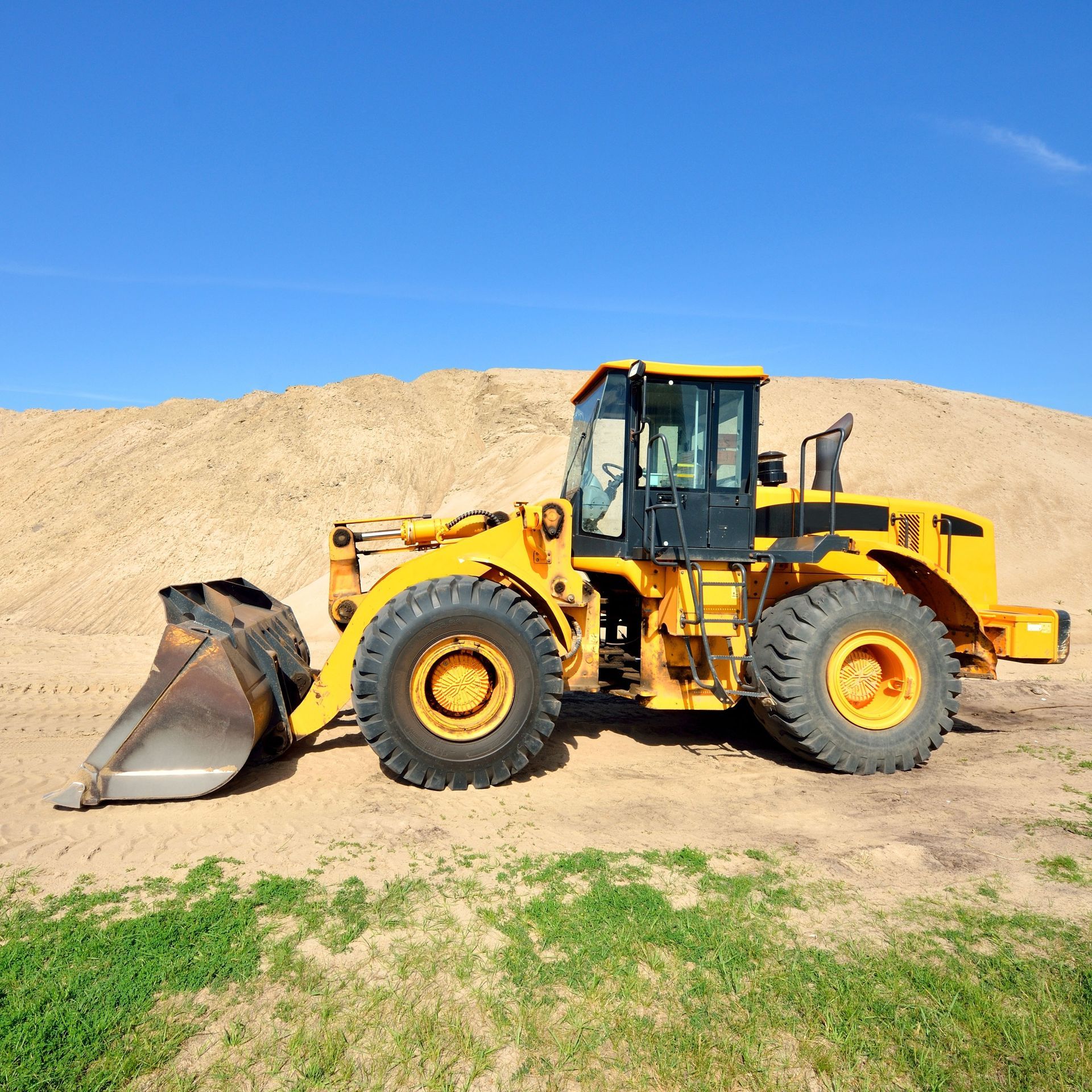
Safety is paramount on busy construction sites, and initial ground preparation establishes a well-organized, secure workspace for heavy equipment operators and trade crews. Uneven terrain, loose soil, hidden tree stumps, and concealed subterranean voids create dangerous hazards for heavy machinery, including excavators, bulldozers, and crane rigs. Thorough commercial site prep levels uneven ground, clears heavy debris, and stabilizes access roads, reducing equipment rollover risks and operational hazards. A well-prepared workspace allows machinery to navigate the property safely and efficiently, minimizing workplace injury risks and equipment damage.
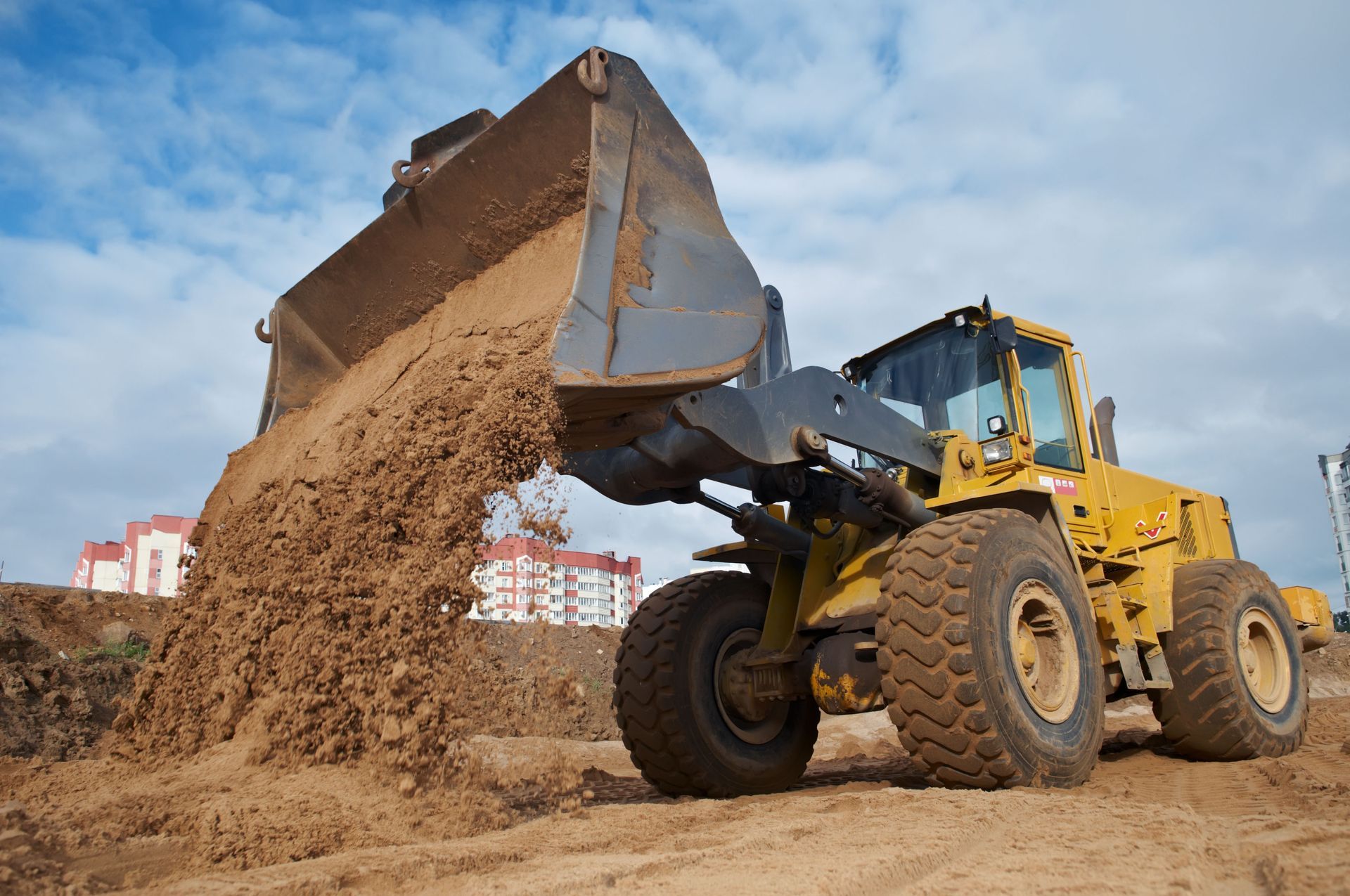
A clean, properly graded site also improves workflow efficiency by establishing clear staging areas for raw material deliveries and equipment storage. Proper site organization prevents vehicle traffic congestion, reduces material movement delays, and keeps construction personnel safe from moving machinery. Clear sightlines and stable haul roads allow delivery vehicles to enter and exit the property without sinking into mud or disturbing sensitive areas. Prioritizing worker safety and site accessibility through preliminary land clearing establishes a productive construction environment from the start.
Ensuring Long-Term Property Durability and Value
The ultimate value and operational lifespan of a commercial facility depend heavily on the quality of early groundwork execution. Skimping on initial earthwork can lead to chronic structural issues, such as cracked parking lot pavement, settled walkways, leaking basements, and shifting foundation walls. Professional commercial site prep creates a resilient, well-engineered foundation that protects the physical building and surrounding infrastructure against weather extremes, soil erosion, and natural ground movement over many decades of active commercial use.
A well-developed commercial property retains higher real estate market value and requires significantly lower structural maintenance costs over its lifespan. Property owners avoid costly structural repairs, foundation underpinning, and major asphalt rehabilitation when earthwork is executed properly at the start. Quality site preparation ensures that utility connections, structural footings, and exterior surface improvements remain stable, functioning, and aesthetically pleasing. Comprehensive ground preparation provides total confidence, protecting your capital investment and ensuring long-term commercial property performance.
Investing in professional ground preparation is the single most important decision a developer can make to ensure long-term structural safety, regulatory compliance, and project financial success. Comprehensive earthmoving, precise grading, advanced soil stabilization, and efficient water management establish the essential groundwork necessary for smooth vertical construction and lasting building durability. Skimping on initial site clearing creates unnecessary structural risks, costly construction delays, and expensive future repairs. To build your next commercial project on a solid, reliable foundation, contact Wyad Enterprises LLC.